+61 415 139 814
  +91 875 047 8831

Common Mental Health Problems In College Students That You Shouldn’t Ignore
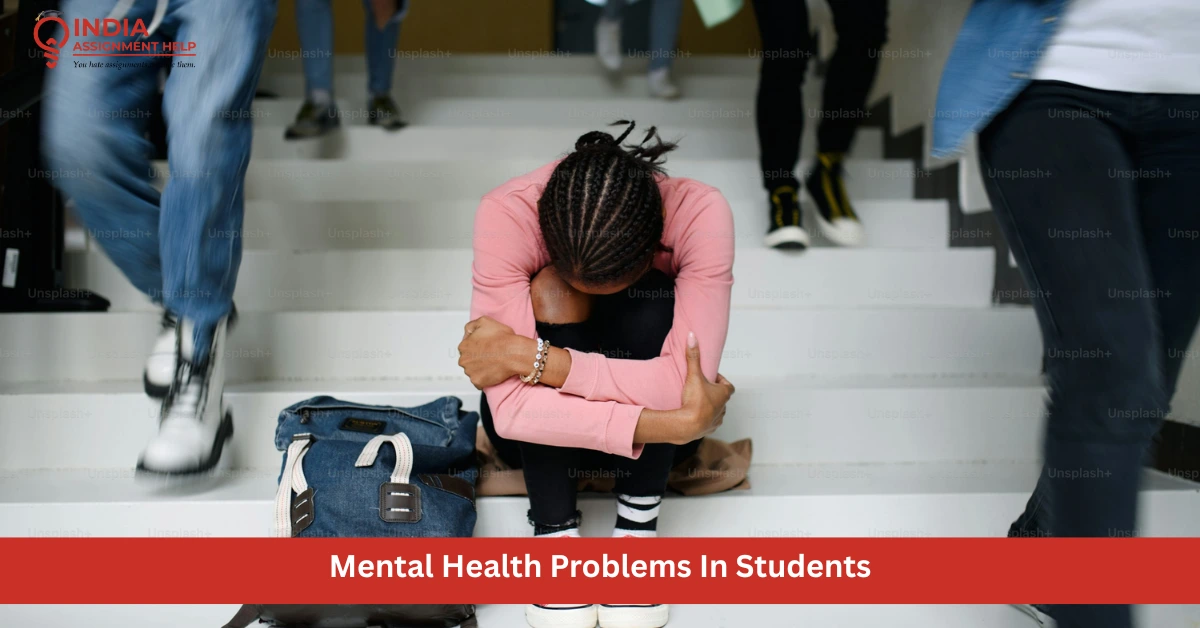
Many people consider college years to be the best years of their lives. Of course, some people enjoy their college life to the fullest; however, there is a hidden dark side to college life that is no longer hidden. The issue we are talking about is the pervasive mental health issue that plagues the academic community. Not just students, but even teachers are affected by the pressure of being in such a contentious field. While mental health problems caused by social media generally receive the spotlight in traditional media, many people often ignore mental health problems in PhD students because most people expect them to be able to deal with stress. In this blog, we will learn about some of the most common mental health problems in college students that we, as a society, should not turn a blind eye to.
The Worldwide Issue Of Teenage Mental Health Problems
The issue regarding the mental health problems faced by students has evolved into a public health issue that the entire world has set its sights on. A few decades ago, speaking out about mental health issues was seen as a sign of weakness and was seldom taken seriously. Thankfully, more and more people have opened their eyes to mental health problems in PhD students and are finding ways to battle this problem.
Nearly half of all chronic mental illnesses begin when the patient is in their teenage years, which is a clear indicator of the fact that the teenage years are the most vulnerable point in time for anyone’s mental health. What’s shocking is the fact that teenage mental health problems have only continued to grow despite the heightened awareness regarding this pressing issue. Regardless, we can take steps to prevent this issue from becoming endemic if we act quickly and seek support before the problem takes hold of us.
What Causes Mental Health Problems In Students?
Students of all academic levels face mental health issues, but why? Is it because of the gruelling academic pressure? Is it because of their highly competitive environment? Is it because their lifestyles are way too hectic? Or are their mental health problems caused by social media? Anyway, let us try to learn about the causes of mental health problems in students.
-
Academic Pressure and Performance Anxiety:-
It doesn’t matter which country we are talking about, academic pressure remains constant in every culture for better or worse. Every day, we hear about student suicides in India and the widespread mental health crisis among higher education students in Japan. This has been caused by high expectations and constant pressure from peers, parents, and teachers that students often can’t deal with.
-
Social and Environmental Transition:-
One of the leading causes behind common mental health problems in college students is the transition from a regulated, balanced home-school environment to a hectic college environment where the lines between study life and personal life are blurred.
-
Financial Strain and Economic Uncertainty:-
Financial problems remain one of the leading causes of mental health problems in university students as well as established professionals. In this world, the economy is unpredictable, and most people find it incredibly difficult to manage their finances while also covering their day-to-day costs.
-
Biological and Pre-Existing Vulnerability:-
If your family has a history of depression or related mental health issues, then you are more vulnerable to those issues as well. This is why some people are easily affected by mental illnesses as compared to others because of their genetic propensity and vulnerability.
Mental Health Problems Caused By Social Media
A lot of parents and teachers blame the rise in teenage mental health problems on social media, and that is not entirely wrong. While it is a bit foolish to say that social media is the only threat to the mental health of students, it has definitely done significant damage to the mental well-being of many students and other young people. Here are some of the mental health problems caused by social media that you shouldn’t ignore.
-
Heightened Comparison and Self-Esteem Issues:-
Social media propagates a culture of comparison as a result of people sharing superficial information about themselves. This is among the most common causes of mental health problems in students, as constant comparison can lead to self-loathing and a blow to one’s self-esteem.
-
The Paradox of Isolation:-
Ironically, despite being called ‘social media’ and helping people connect, social media can lead to feelings of isolation caused by excessive usage. Teenagers in particular stay engrossed in social media, forming parasocial relationships instead of going out and interacting with actual people.
-
Fear of Missing Out:-
Constant exposure to the superficial elements of fellow teenagers’ lives can cause teens to feel left out. In normal cases, this causes mental health problems in university students, but to a lesser degree. In extreme cases, however, teens might be compelled to act out of line and force themselves to live the lives that they envy on social media.
-
Chronic Sleep Disruption:-
Social media is known to be addictive, and students often spend long hours scrolling through social media platforms. This often leads to wasted hours that could have been spent resting, and in the long term, this causes sleep deprivation, which is incredibly detrimental to the human body.
-
Increased Fear of Cyberbullying:-
Social media is incredibly toxic, and cyberbullying is frighteningly more common than you think. One of the main reasons behind teenage mental health problems is the constant fear of being ostracised on social media by one’s peers.
Don’t Ignore Teachers Mental Health Problems
While the mental health problems in college students get a lot of attention, many people don’t think nearly as much about the mental health issues faced by teachers. This should be a cause of greater concern as teachers play an important role in building a student’s character, and a mentally struggling teacher would not be able to perform their duties to the fullest. Here are the sources of teachers mental health problems and why students should care about them.
The Source of Faculty Strain:
-
Emotional Labor:-
Being a teacher requires heavy emotional commitment and mental effort. Constantly providing specialised attention to multiple students wears one down.
-
‘Triple Threat’ Pressure:-
Teachers have to manage three prominent struggles at the same time: publish meaningful research, maintain high-quality teaching standards, and meet escalating administrative demands.
-
Digital Fatigue:-
Nowadays, with the rise of online learning, teachers have to spend long hours sitting in front of a computer screen. This causes stress on the eyes, and very soon, this stress spreads to the entire body.
-
Lack of Boundaries:-
In many institutes, teachers are expected to work overtime in multiple activities aside from teaching. Plus, they are also expected to provide almost parent-like care to students, especially if they are young.
Why Students Should Be Concerned About Teachers Mental Health Problems:
-
Degraded Teaching Quality:-
When teachers are stressed, they are unable to focus properly on teaching, which will have a detrimental effect on the students’ progress.
-
Slower Feedback Cycles:-
A worn-out teacher won’t be able to provide feedback to the students on their progress, as it will be difficult for them to keep up with the progress of multiple students at the same time.
-
Reduced Empathy and Availability:-
A teacher battling their own inner demons will be less emotionally available for their students. This will also interfere with their ability to provide guidance to their students.
-
Higher Faculty Turnover:-
Teachers mental health problems often lead to faculty members resigning from their positions to focus on recovery. This leads to high faculty turnover, which could be prevented if the teachers had adequate facilities to help them mitigate their struggles.
How Can We Overcome Mental Health Problems In University Students?
There are many reasons why students across all academic levels face mental health issues, but it’s not like we can do nothing about it. Here are some ways through which we can overcome teenage mental health problems and common mental health problems in college students.
-
Institutional Responsibility and Resource Allocation:-
Schools and universities must treat mental health as a core academic priority rather than treating it as an auxiliary service. Institutions should allocate resources to set up mental health care facilities on their campuses.
-
Promote Skill-Based Resilience Training:-
The best way to mitigate the causes of mental health problems in students is to teach them practical coping skills that help them address the root causes of their stress. This also helps them avoid dangerous coping mechanisms like drugs and self-harm.
-
Creating a Culture of Connection and De-Stigmatization:-
A surefire way to improve your mental well-being is to foster meaningful relationships with friends and family. Isolation and trying to avoid one’s own problems only make the situation worse and harder to manage.
-
Adjusting the Academic Environment:-
Universities and government bodies should adjust academic regulations to nurture an environment that understands mental health problems in PhD students and attempts to tackle them.
Conclusion
In the end, it is important to keep track of your mental well-being and not let your struggles overwhelm your resilience. The battle against mental health problems is not unwinnable, but it is a battle that cannot be won without constant struggle and perseverance. In this blog, we discussed what causes mental health problems in students and how to overcome them. We hope this blog helped you identify the core mental health issues that you might have faced, and we’re sure that your journey ahead in combating your mental health issues will only be more fruitful.