+61 415 139 814
  +91 875 047 8831

Public-Private Partnership (PPP) Governance Dynamics: A Complete Guide for Students
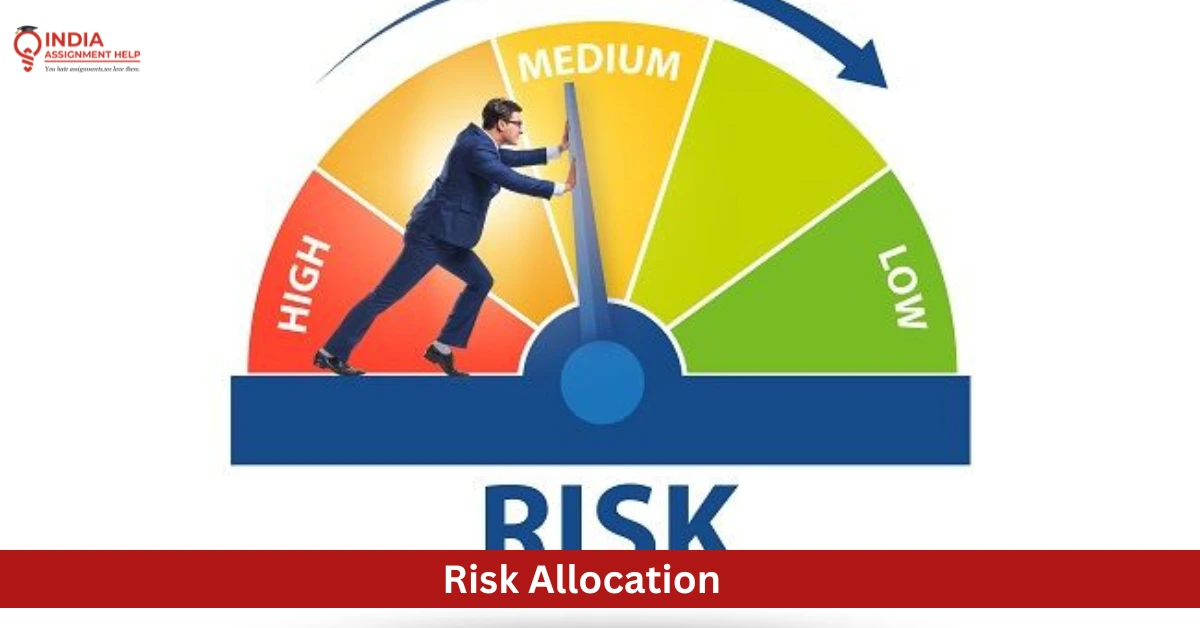
Managing infrastructure projects in India has evolved rapidly, making Public-Private Partnership (PPP) Governance Dynamics a central topic for students in law, management, and civil engineering. At its core, a successful project depends on the effective Risk Allocation between the government and private firms. However, simply signing a deal isn’t enough; robust Contractual Governance is required to ensure that both parties meet their obligations over decades. Furthermore, achieving long-term success requires Behaviour Alignment, where the profit-driven goals of the private sector and the social welfare goals of the public sector work in harmony. For many students, grasping these multi-layered concepts can be difficult, which is why professional assignment help is often the best way to master these academic challenges.
Understanding Public-Private Partnership (PPP) Governance Dynamics
The term Public-Private Partnership (PPP) Governance Dynamics refers to the complex web of relationships, rules, and decision-making processes that keep a project running. In India, projects like the Delhi Metro or the various National Highways are not just construction jobs; they are long-term marriages between the government and private companies.
Unlike traditional government contracts, where the state pays a builder and takes over the asset, Public-Private Partnership (PPP) Governance Dynamics involve shared ownership of the project's lifecycle. This includes design, financing, building, and operating the facility. Because these projects can last 20 to 30 years, the "dynamics" change over time. What worked during the construction phase might fail during the operational phase if the governance structure is too rigid.
Why Students Struggle with this Topic
Many students seeking assignment help find this subject hard because it is interdisciplinary. You need to understand:
- Economics: How to fund the project.
- Law: How to write the contracts.
- Management: How to lead diverse teams.
- Politics: How to manage public expectations.
The Core Principle of Risk Allocation
In any massive project, things can go wrong. There could be a delay in land acquisition, a rise in material costs, or a drop in expected toll revenue. Risk Allocation is the process of deciding which partner carries the burden of these potential problems.
The golden rule of Risk Allocation is simple: Risk should be assigned to the party best equipped to manage it.
Common Risks in Indian PPPs
- Construction Risk: Usually allocated to the private partner because they have the technical expertise.
- Political Risk: Usually retained by the government (e.g., changes in laws or tax codes).
- Financial Risk: Shared, but often managed by the private partner through bank loans and equity.
Efficient Risk Allocation reduces the overall cost of the project. If a private company is forced to take on a risk it cannot control (like land protests), it will charge a much higher "risk premium," making the project more expensive for the taxpayer.
Designing Robust Contractual Governance
If Risk Allocation is the plan, then Contractual Governance is the instruction manual. It consists of the formal agreements, such as the Model Concession Agreement (MCA) used by the National Highways Authority of India (NHAI).
Contractual Governance serves as the legal backbone that defines:
- Performance standards (how good the road should be).
- Payment mechanisms (tolls vs. availability payments).
- Penalty clauses for delays.
- Exit strategies if the partnership fails.
In the world of Public-Private Partnership (PPP) Governance Dynamics, the contract must be both "tight" and "flexible." It needs to be tight enough to prevent corruption and waste, but flexible enough to handle "Force Majeure" events (like the COVID-19 pandemic) that no one could have predicted. Without strong Contractual Governance, projects often end up in court, leading to "stalled projects" that help no one.
Achieving Behaviour Alignment in Projects
One of the most modern and interesting parts of this field is Behaviour Alignment. Even with a perfect contract, a project can fail if the people involved don't trust each other or have conflicting motives.
Behaviour Alignment is about creating incentives so that the private partner wants to do what is best for the public. For example, if a private company only gets paid when the road is pothole-free, their behaviour will naturally align with the public’s need for high-quality infrastructure.
The Role of Trust
Research shows that Public-Private Partnership (PPP) Governance Dynamics are smoother when there is "Relational Governance" alongside formal contracts. This includes:
- Open communication channels.
- Shared problem-solving sessions.
- Mutual respect's goals.
When you use Behaviour Alignment strategies, you reduce the need for constant policing and litigation, which saves money and time.
Performance Monitoring and Accountability Mechanisms
To ensure that the goals of Contractual Governance are met, the government must implement strict Accountability Mechanisms. It isn't enough to just build a hospital; the private partner must be held accountable for the quality of healthcare provided.
|
Feature |
Description |
|
Performance Monitoring |
The continuous tracking of Key Performance Indicators (KPIs) to ensure the private partner is meeting the agreed standards. |
|
Accountability Mechanisms |
The legal and financial tools (like audits and public reports) are used to ensure the project serves the public interest. |
Using Performance Monitoring, the government can identify issues early before they become project-ending disasters. This is a vital part of Public-Private Partnership (PPP) Governance Dynamics because it ensures transparency.
Overcoming Challenges
No long-term partnership is free of disputes. Whether it’s a disagreement over toll hikes or maintenance costs, Conflict Resolution is a necessary secondary skill for any PPP manager. In India, many projects have moved toward "Arbitration" rather than traditional court cases to speed up the process.
Furthermore, Asset Management is crucial at the end of the contract. When the "Concession Period" ends, the private company must hand the asset back to the government in good condition.
- Asset Management ensures the bridge or power plant isn't falling apart when the government takes it back.
- Proper Risk Allocation at the start of the contract usually includes clauses about the "residual value" of the asset.
Why You Need Specialist Assignment Help
Studying the intersection of Risk Allocation, Contractual Governance, and Behaviour Alignment requires a deep dive into case studies and current Indian regulations. Many students find it difficult to keep up with the latest updates from the Department of Economic Affairs or the new Hybrid Annuity Models (HAM).
This is where expert assignment help becomes a game-changer. Professional writers can help you:
- Analyse Real-World Data: Use actual examples like the Mumbai Metro or the Yamuna Expressway to explain Public-Private Partnership (PPP) Governance Dynamics.
- Apply Theories: Correctly use concepts like Agency Theory or Transaction Cost Economics to explain Behaviour Alignment.
- Structure Your Paper: Ensure your discussion on Contractual Governance flows logically into your section on Risk Allocation.
Conclusion
Mastering Public-Private Partnership (PPP) Governance Dynamics is about more than just reading a textbook. It’s about understanding the delicate balance between the public good and private profit. By focusing on smart Risk Allocation, clear Contractual Governance, and long-term Behaviour Alignment, India can continue to build world-class infrastructure.
If you are a student struggling to balance these complex keywords in your latest paper, don't worry. Navigating the world of Performance Monitoring, Conflict Resolution, and Accountability Mechanisms is a steep learning curve. Whether you are analysing Asset Management or the fine details of Contractual Governance, getting professional support can help you secure the grades you deserve.